
Lesson letter
Classquest duration: 45 minutes
Target audience: Ages from 8 to 12
In this class quest students learn what a money mule is and how to avoid becoming one yourself. In this lesson students see what happens if a money wolf uses you as a money mule, they learn the consequences of lending their account and accounts, and can also empathize with a money wolf. Then it also becomes clear to them why a money wolf wants to have the data of another. Richy takes them on a trip, but should they trust Ritchie?
Learning goals
Students learn...
- what a money mule and what a money wolf is.
- what happens if a money wolf uses you as a money mule (money muling).
- what the consequences are of lending your account or accounts.
- that you should never lend out accounts, pincodes or bills.
- why a money wolf wants your data.
Link to DigComp*
- D4 safety, wellbeing, and responsible use
*DigComp (the Digital Competence Framework for Citizens) is an EU framework that describes the digital skills people need to use technology confidently, safely, and responsibly. For primary school teachers, it provides a clear reference for helping children learn basic skills such as finding information online, creating simple digital content, staying safe on the internet, and behaving respectfully in digital environments. DigComp supports a shared European understanding of what “being digitally competent” means at different ages.
Necessities
- Interactive board
- Create an account here in advance. If you want to practice a quest beforehand, click ‘practice’ at the start. This takes about half an hour.
Glossary
- Money mules: a money mule is someone who gives their debit card and PIN to criminals so they can move stolen money. This is money laundering, and the mule is held responsible for paying back all the stolen money while the criminals disappear.
- Money laundering: money laundering is moving money to hide that it was obtained illegally. Criminals do this to cover their tracks and prevent the money from being confiscated. Money laundering is a criminal offense.
The lesson
Introduction - 10 min
Explain to the students that you are going to talk about the term money mule and what it exactly is, and that you are going to play a game about it together. Also tell them this:
We are online so much that we can even manage our money through an online app. We transfer money from one account to another over the internet. But there are also dangers.
Introduction questions
- Who has their own account? Do you have your own debit card?
- Have you ever lent your card to someone else? Why did you do that?
- Has money been stolen from your account?
- How could that happen?
Core - 30 min
Start the quest on the interactive whiteboard. Indicate that you are now going to start the game and discuss rules that suit your class when you play a game on the IWB as a class.
How do I make the lesson more interactive?
- In the quest, Sanne and André tell all kinds of things about the Internet. This is described in text. You can choose to have children read the text of a specific character (for example, child x reads the text of André and child y reads the text of Sanne).
- During the quest choices will have to be made. You may choose to use an active form of work in doing so. For example: If you think we should go right, you may stand. If you think we should go straight, you may stay in your seat. And if you think we should go left, you may sit on the floor.
- Do the class activities!
Class activities in the quest

As a teacher, you can choose whether you want to do the activities (during the quest). You can of course also discuss the questions at another time!
The following questions are offered as classroom activities by Koi (see illustration):
- How credible do you think Richy's story is? How's your Cyber Agent Radar?
- Who has ever lent their bank card with a PIN code? Did that go well then?
- What would you do if you accidentally became a money mule? Possible answer: Go to your parents/guardians and ask for help. Then file a report together
Closing - 10 min
Ask the students what they have learned.
Final questions
What happens if you become a victim of a money wolf and are used as a money mule?
Possible answer: A money mule has his or her account used to transfer or launder money from criminals to another account. . Money mules are often found through social media. It seems like a good way to make a quick buck, but you are dealing with criminals.
What can happen if you are a money mule?
Possible answer: If you have been used as a money mule, you are a victim. But, at the same time, you are also seen by the police as a suspect because you unknowingly participated in a crime. The following can then happen:
- you can get a bank blockade. As a result, you cannot open an account or take out a loan for 8 years.
- the bank calls in the police for a criminal investigation.
- you have to go to the police station.
- you will be given a (pro bono) lawyer.
- you will likely get a criminal record.
- you may have to pay for the damage.
What should you do if you encounter a money wolf?
Possible Answer: If a story seems too good to be true, it probably is. Do not respond and never give your bank account number, pincode or bank card to strangers or to non-strangers such as relatives, friends, acquaintances. It is important that you report it to the police if you have been approached for the loan of a card or PIN code, always do this together with parents/guardians. This reduces the chance that criminals can find money mules. And you help the police to catch criminals when you report them.
Tips
- To add a dynamic touch, consider having students take turns reading the text, making the experience even more engaging.
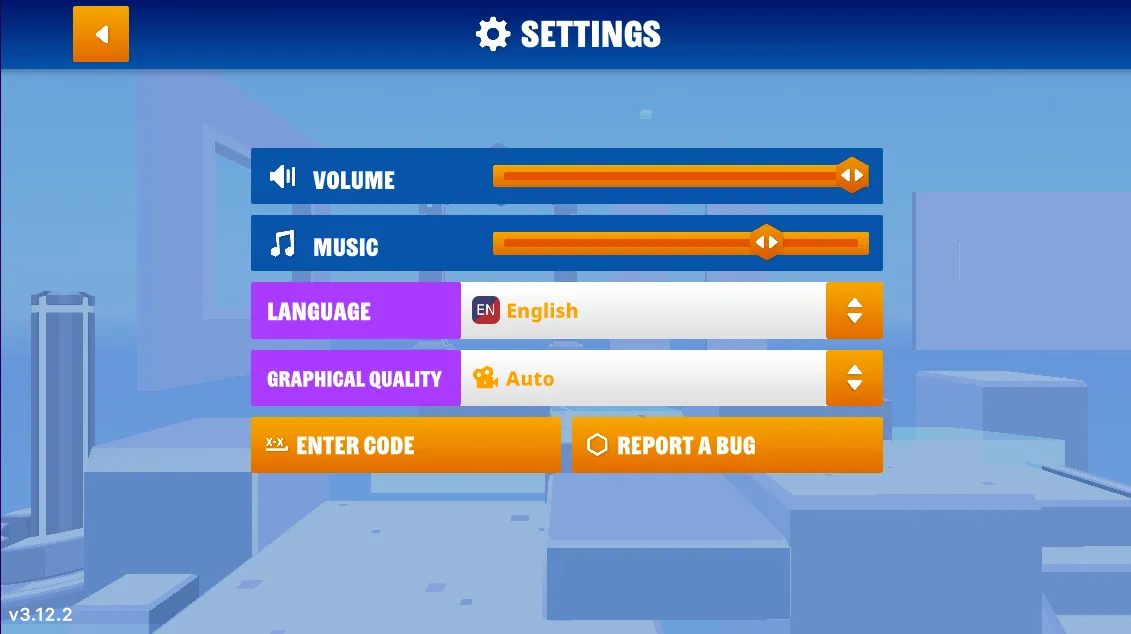
- If you prefer a silent quest, you have the option to turn off the sound. Simply navigate to the game's options menu, and you'll find the accompanying images on the right.
- Now, let's dive into the heart of our quest! Navigate to the game’s options menu where you can turn off the music.

Learn more
- Video - National Crime Prevention Council: Money Mule_Animation_English